2001-11-29
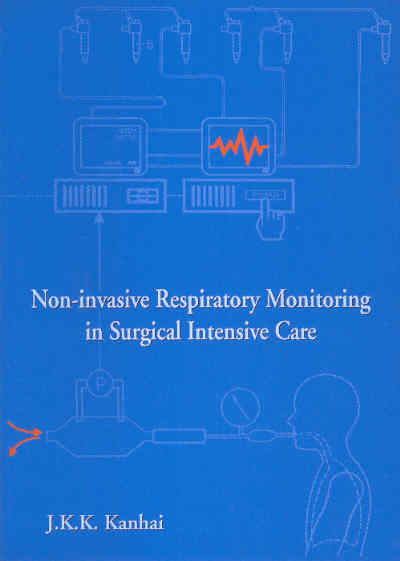
Non-invasive respiratory monitoring in surgical intensive care
Publication
Publication
Niet-invasieve respiratoire bewaking in chirurgiscbe intensive care
The need to monitor postsurgical patients for signs of respiratory deterioration was recognized long before the first intensive care units were introduced during World War II. In the early days of the intensive care nnit, reports were published about the high incidence of postoperative mortality which was often heralded by the onset of apnea or airway obstruction. Soon it became clear that these effects were induced by either the surgical procedure itself, or by the type of anesthesia used. It was demonstrated that these potentially lethal conditions could be easily prevented and treated if patients were monitored scrupulously in the early postoperative period for signs of respiratory failure and rapid action was taken if pulmonary deterioration occurred. These experiences probably mark the beginning of the development of techniques to monitor the respiratory condition of patients after surgery.
| Additional Metadata | |
|---|---|
| , , , | |
| Bronovo Research Fund, Byk Nederland | |
| H.A. Bruining (Hajo) | |
| Erasmus University Rotterdam | |
| hdl.handle.net/1765/23587 | |
| Organisation | Erasmus MC: University Medical Center Rotterdam |
|
Kanhai, K. J. K. (2001, November 29). Non-invasive respiratory monitoring in surgical intensive care. Retrieved from http://hdl.handle.net/1765/23587 |
|
| Additional Files | |
|---|---|
| stellingen kanhai.pdf , 22kb | |
| 1790_Kanhai, Karansingh Joy Krishnamoertisingh.jpg Cover Image , 15kb | |