2017-06-14
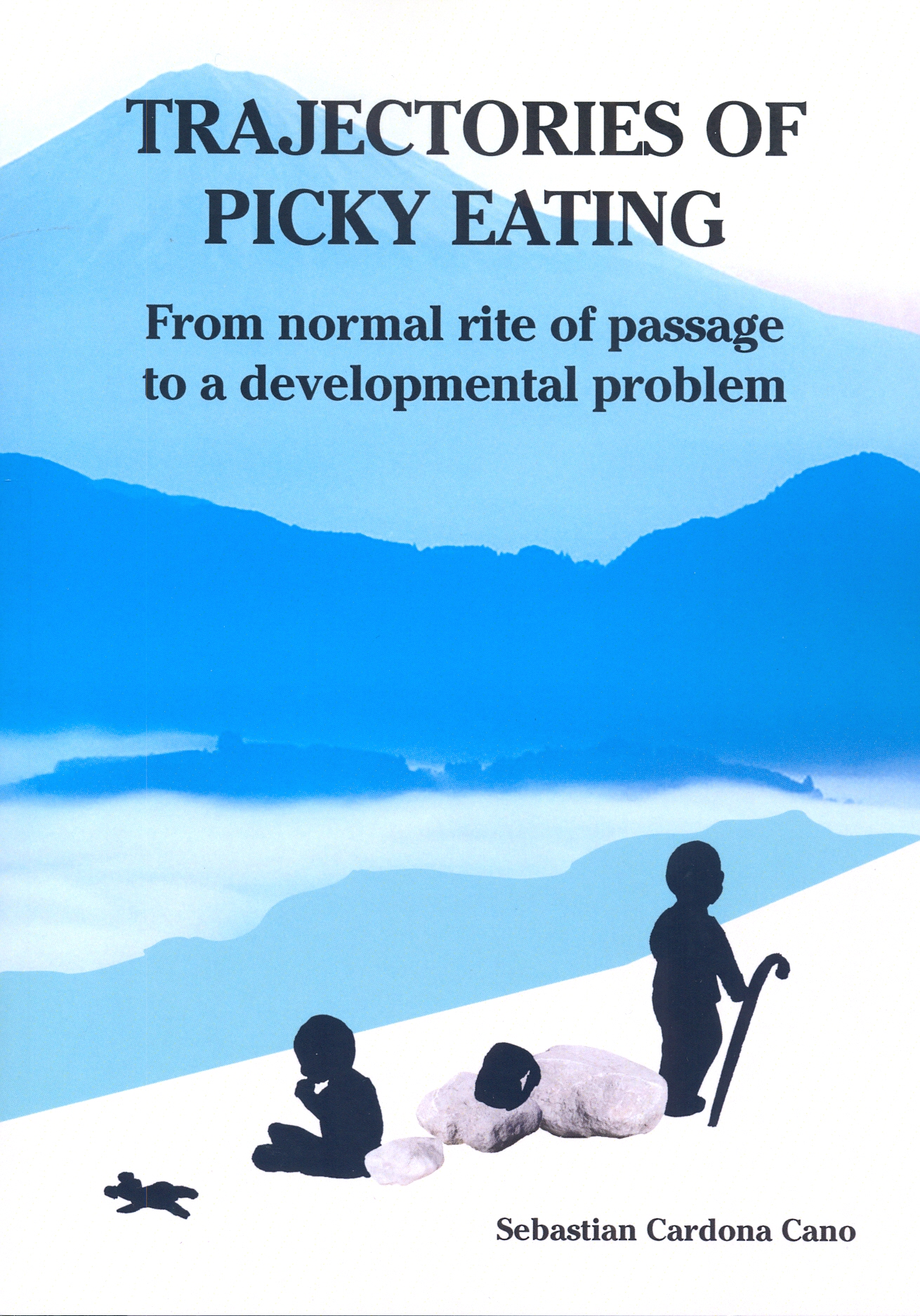
Trajectories of picky eating : from normal rite of passage to a developmental problem
Publication
Publication
Trajecten van Picky Eating : van rite de passage naar een probleem in ontwikkeling
Picky eating is one of the most common development problems in early childhood. Although this behavior has a high prevalence and is of major concern for parents, little is known about the etiology, course and outcome of picky eating. The aim of this thesis was to identify determinants that differentiate between picky eating as part of normal development, and picky eating at risk for adverse (mental) health outcomes. Our findings are mostly embedded within the Generation R Study, a population-based cohort in Rotterdam, the Netherlands.
The main findings of this thesis confirms the consensus-based view of a normal developmental phase of picky eating; A substantial group of children will develop picky eating problems in early childhood but these problems typically remit before the age of 6 years. These children are not at risk for adverse health outcomes. Only a small group of children in the general population have persisting picky eating problems. These children are at slightly higher risk for pervasive developmental problems. The clinical relevance and implications are further discussed.
| Additional Metadata | |
|---|---|
| , , , , , , , , , , , | |
| H.W. Hoek (Hans) , H.W. Tiemeier (Henning) , D. Van Hoeken (Daphne) | |
| Erasmus University Rotterdam | |
| Financial support was generously provided by Parnassia Psychiatric Institute, Parnassia Academy and Lucertis, department for child and adolescent psychiatry. | |
| hdl.handle.net/1765/99999 | |
| Organisation | Pediatric Psychiatry |
|
Cardona Cano, S. (2017, June 14). Trajectories of picky eating : from normal rite of passage to a developmental problem. Retrieved from http://hdl.handle.net/1765/99999 |
|

| Additional Files | |
|---|---|
| Stellingen-Sebastian-Cardona-v2.pdf , 18kb | |
| 4721_Cardona-Cano-Sebastian.jpg Cover Image , 1mb | |